
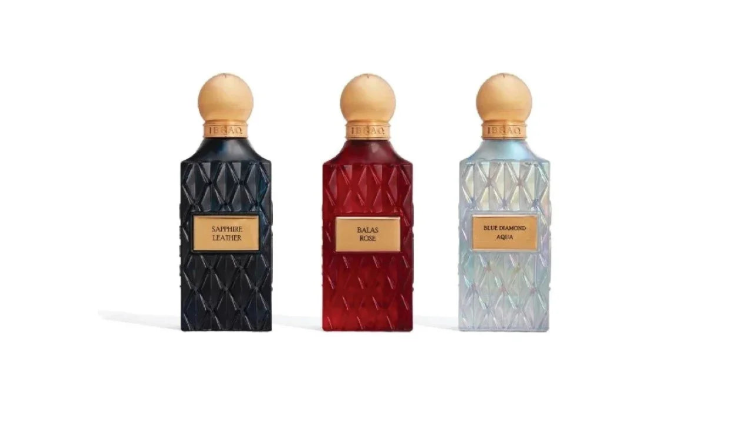
Perfume preferences in the UK are becoming more varied. While familiar European fragrance houses still have a strong presence, more people are exploring scents influenced by the Middle East. Rich woods, warm amber, musk, rose and oud have introduced fragrance lovers to combinations that can feel noticeably different from mainstream releases.
The growing interest in Saudi perfumes UK reflects this wider shift. Shoppers are no longer choosing fragrance simply by recognising a designer name. Many are paying closer attention to scent notes, concentration, character and how a perfume develops throughout the day.
A Different Approach to Fragrance
Middle Eastern perfumery has a long tradition of using strong and distinctive aromatic materials. Oud, musk, amber, saffron and rose regularly appear in compositions, although modern releases often combine these notes with fruits, florals, vanilla and fresher elements.
This creates considerable variety. Someone who associates Arabic fragrance only with very heavy oud may be surprised by how broad the category has become. Contemporary fragrances can range from bright and easy-going scents to deeper compositions suited to evenings and special occasions.
The result is a fragrance market that appeals to people with very different preferences.
Why Scent Character Matters More Than Labels
Buying perfume based purely on branding can make fragrance shopping unnecessarily restrictive. Two perfumes marketed in completely different ways may share similar notes, while products from the same fragrance house can smell completely different. Looking at the scent profile provides a better starting point. Citrus and aromatic notes may appeal to someone looking for freshness, while woods, amber and tobacco-style accords can provide greater warmth and depth.
Floral fragrances are equally varied. Rose, for example, can appear fresh and delicate in one perfume but dark and spicy in another. Understanding these differences makes it easier to explore unfamiliar brands without relying completely on advertising or packaging.
Performance Is More Complicated Than It Seems
Many perfume buyers want a fragrance that remains noticeable for a reasonable period, but longevity cannot always be predicted from the price or fragrance family alone. Skin type, weather, application method and even clothing can influence how a fragrance performs. Perfume may also behave differently on fabric than it does directly on skin.
People researching affordable long lasting perfumes should therefore consider more than the initial strength of a scent. A perfume that feels powerful during the first few minutes is not necessarily one that will develop most effectively over several hours. Testing a fragrance over time gives a much clearer impression than judging it immediately after spraying.
Explore Notes Before Building a Collection
A fragrance collection becomes more useful when each perfume serves a slightly different purpose. Instead of buying several scents with almost identical profiles, consider creating variety. A balanced collection might contain a clean everyday fragrance, something warmer for evenings, a deeper woody scent and perhaps a brighter option for warmer weather.
Keeping track of favourite notes also makes future purchases easier. Someone who repeatedly enjoys sandalwood, vanilla or amber can use that information when researching new fragrances. The same applies to notes they regularly dislike. Over time, this approach creates a collection based on personal taste rather than trends.
Consider the Occasion and Season
There are no strict rules about when a perfume should be worn, but temperature and environment can affect how it is experienced. A rich, dense fragrance may feel more comfortable during cooler weather, while lighter citrus, floral or aromatic compositions can work particularly well when temperatures rise. Strong fragrances may also need more restrained application in offices or other enclosed environments.
Evening occasions often give people more freedom to wear heavier scents with pronounced woods, oud, amber or spices. The important point is not to follow rigid categories but to consider where and how the fragrance will actually be worn.
Give Unfamiliar Fragrances Time
One of the most common mistakes when exploring a new perfume style is making a decision too quickly. The opening of a fragrance represents only one stage of its development. Top notes often disappear relatively quickly, allowing the heart and base of the composition to become more noticeable. A fragrance that initially appears sharp may become softer, warmer or sweeter after some time.
Whenever possible, wearing a fragrance for several hours provides a better understanding of its character. It also reveals how the scent interacts with individual skin chemistry.
Conclusion
The growing popularity of Middle Eastern fragrance in the UK gives perfume enthusiasts more choices beyond familiar mainstream releases. From oud and amber to florals, fruits and modern woody blends, the category covers a much wider range than many first-time buyers expect.
Rather than choosing purely by brand recognition, shoppers can focus on scent notes, personal preferences, season and intended use. Taking time to understand how a perfume develops can make discovering new fragrance styles more enjoyable and help build a collection that feels genuinely personal.


More Stories